

We Make a Positive Difference
We help government work better by analyzing governmental operations and recommending improvements. In fiscal year 2023, we issued:
185
Reports*
661
Recommendations
$1,744,074
Fraud uncovered
37
Felony charges
* reports include audits, reviews, investigations, alerts, and followups.
To read more about our fiscal year 2023 efforts, click here to read our annual report.
What's New
From 2013 through 2023, we issued 40 financial investigation reports that included charges of fraudulent schemes associated with about $5 million of Arizona public money losses. This alert outlines the...
As required by law, we conducted a review of per diem compensation and expense reimbursement payments to members of State boards, commissions, councils, and advisory committees (collectively referred to as...
In FY 2023, State-wide school district spending increased by nearly $1 billion with per student increases in all operational spending areas compared to FY 2022, including instruction. Much of this...
District did not comply with some State conflict-of-interest laws and USFR requirements, limiting transparency into its activities; did not comply with important internal control requirements, increasing risk of errors, fraud...
Request for proposal
The Arizona Auditor General (Office) is requesting proposals from certified public accounting firms (Firms) to perform annual financial statement and single audits and annual expenditure limitation report examinations for each of the following auditees:
- La Paz County for the fiscal year ending June 30, 2023, with options for 2 additional years.
- Coconino County Community College District, Graham County, Navajo County Community College District, Navajo County, Mohave County, Mohave County Community College District, Pinal County, Pinal County Community College District, Yavapai County Community College District, and Yuma and LaPaz Counties Community College District for the fiscal year ending June 30, 2024, with options for 2 additional years.
Firms must bid on each auditee individually and may bid for 1 or more of the auditees. Each auditee will be awarded separately. Each engagement must be completed, and a report of its work, including findings and recommendations, must be submitted to the Office no later than March 31, 2025. Earlier completion of each engagement is encouraged. Awards for each engagement will be determined on the basis of demonstrated competence and qualifications to perform the required audit and examination work for reasonable compensation.
Click here to view more detailed information and dates regarding this RFP.
Featured Reports

COVID-19 Spending Reports
Followup—Arizona school districts’ and charter schools’, and ADE’s discretionary, COVID-19 federal relief spending—through June 30, 2022...
View ReportArizona Auditor General Special COVID-19 Funding Report, November 2022...
View Report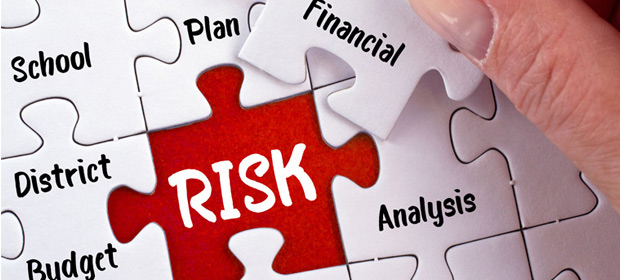
School District Financial Risk Analysis
As of December 2023, 4 Arizona school districts are at higher financial risk of not being able to operate within their available cash resources and budget constraints...
View Report
School District Spending Report
In FY 2023, dollars spent on instruction and total per student spending increased from the prior year, but the State-wide instructional spending percentage (ISP) decreased by 1.1 percentage points to the lowest State-wide ISP since we began monitoring it in FY 2001. The State average teacher salary increased to $62,934, a 30.1% increase since FY 2017. Additional teacher salary reporting, such as base salaries by years of experience, provides more information about how districts pay teachers.
View Report